

Vitamin E is widely recognized as an antioxidant, but its role in the body — and the actual evidence behind many of its popularized benefits — is more nuanced than typical marketing suggests. Here’s a clear-eyed look at what it does.
What Is Vitamin E?
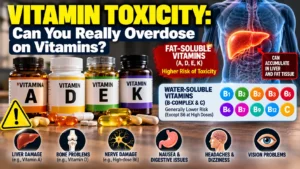
Vitamin E is a fat-soluble vitamin and one of the body’s key antioxidants. It actually refers to a family of eight related compounds — four tocopherols and four tocotrienols — with alpha-tocopherol being the form most actively maintained in the human body and used to define dietary requirements.
Key Functions
Antioxidant protection. Vitamin E helps protect cell membranes from oxidative damage caused by free radicals, particularly protecting polyunsaturated fatty acids within cell membranes from degradation.
Immune function. It supports various aspects of immune cell function, and deficiency has been associated with impaired immune response in research settings.
Skin health. Vitamin E is often included in skincare products for its antioxidant properties, and it plays a role in skin’s natural defense against UV-related oxidative stress, though topical benefits are somewhat distinct from those of dietary intake.
Cell signaling. Emerging research suggests vitamin E may play roles beyond antioxidant activity, including in cell signaling and gene expression, though this area is still being actively studied.
Food Sources
Vitamin E is found in a variety of foods, including:
- Nuts and seeds (almonds, sunflower seeds, hazelnuts)
- Vegetable oils (sunflower, safflower, wheat germ oil)
- Spinach and broccoli
- Avocado
Because it’s fat-soluble, vitamin E absorption is improved when consumed alongside dietary fat.
What the Evidence Actually Shows
Vitamin E gained significant popularity in the 1990s and 2000s based on early observational research suggesting it might reduce cardiovascular disease and cancer risk. However, subsequent large-scale randomized controlled trials generally did not confirm these benefits, and some studies even raised concerns about potential harm from high-dose supplementation in certain populations. This is a useful case study in how promising early observational findings don’t always hold up in more rigorous trials.
Current evidence supports vitamin E’s role in meeting basic nutritional needs and its function as a dietary antioxidant, but it does not strongly support high-dose supplementation for disease prevention in people who are not deficient.
Signs of Deficiency
True vitamin E deficiency is rare, since it’s found in many common foods, and typically only occurs in people with fat malabsorption disorders (such as certain digestive or liver conditions) or rare genetic conditions affecting vitamin E metabolism. Symptoms can include nerve and muscle damage, vision problems, and impaired immune response.
How Much Do You Need?
The recommended daily intake for adults is 15 mg (22.4 IU) of alpha-tocopherol. This amount is readily achievable through a varied diet that includes nuts, seeds, and vegetable oils.
Considerations With Supplementation
High-dose vitamin E supplementation (well above the recommended intake) has been associated with an increased risk of bleeding, since vitamin E can have mild blood-thinning effects, particularly relevant for people taking anticoagulant medications. Some research has also raised questions about high-dose vitamin E supplementation and prostate cancer risk in certain populations, an area that remains actively studied.
The Bottom Line
Vitamin E is an important dietary antioxidant readily available through nuts, seeds, and vegetable oils, and most people don’t need to supplement beyond a balanced diet. While early hopes for high-dose vitamin E as a broad disease-prevention tool haven’t held up in rigorous research, it remains a valuable nutrient when obtained through normal dietary intake.
This article is for informational purposes only and is not a substitute for professional medical advice.