
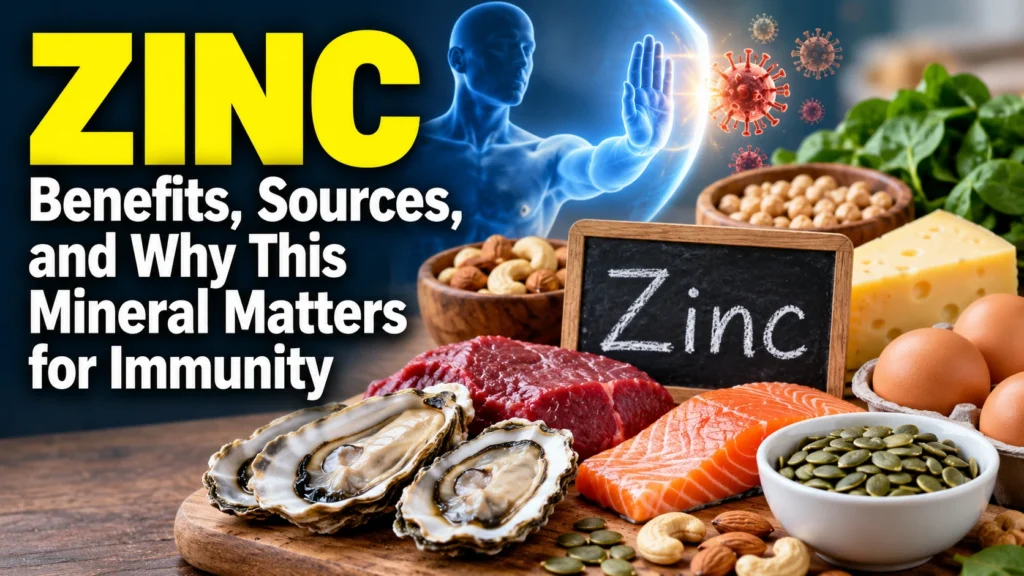
Zinc is a trace mineral required in relatively small amounts, but its impact on immune function, wound healing, and cellular growth is significant. Here’s a closer look at what zinc does and how to make sure you’re getting enough.
What Is Zinc and Why Does It Matter?
Zinc is an essential trace mineral involved in the function of more than 300 enzymes in the body. It plays roles in:
Immune function. Zinc is required for the normal development and function of immune cells, and it plays a role in the body’s inflammatory response. This is the basis for zinc’s popularity as a cold-related supplement.
Wound healing. Zinc supports collagen synthesis and cell division, both essential processes for repairing damaged tissue.
Growth and development. Adequate zinc is particularly important during periods of rapid growth, including childhood, adolescence, and pregnancy.
Taste and smell. Zinc contributes to the normal function of taste and smell receptors, and deficiency has been linked to reduced sensory perception in these areas.
DNA synthesis and cell division. Zinc plays a structural and functional role in numerous proteins involved in DNA replication and repair.
Does Zinc Actually Help With Colds?
This is one of the more evidence-supported uses of zinc: some research suggests that zinc lozenges, when taken within 24 hours of cold symptom onset, may modestly reduce the duration of common cold symptoms. The effect is generally described as modest rather than dramatic, and results vary depending on the zinc formulation and dosage used in different studies. It’s not a preventive measure so much as a potential way to shorten an already-started cold.
Food Sources
Zinc is found in a range of foods, including:
- Oysters (among the richest natural sources)
- Red meat and poultry
- Beans and legumes
- Nuts and seeds
- Whole grains
- Dairy products
Plant-based sources of zinc are generally less bioavailable than animal sources, due to compounds called phytates that can inhibit zinc absorption — a relevant consideration for vegans and vegetarians.
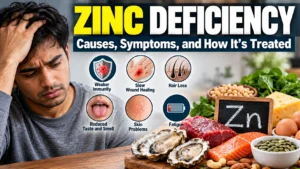
Signs of Zinc Deficiency
Zinc deficiency can cause:
- Impaired immune function and increased susceptibility to infections
- Slow wound healing
- Hair loss
- Loss of appetite
- Reduced sense of taste or smell
- Skin issues, including rashes
- In children, growth delays
Who’s at Higher Risk of Deficiency?
- People following vegan or vegetarian diets, due to lower bioavailability of plant-based zinc sources
- People with gastrointestinal disorders that impair absorption, such as Crohn’s disease
- People with chronic alcohol use
- Pregnant and breastfeeding individuals, due to increased needs
- Older adults, who often have lower dietary intake and absorption efficiency
How Much Do You Need?
Recommended daily intakes are:
- Adult men: 11 mg
- Adult women: 8 mg
- Pregnant individuals: 11 mg
- Breastfeeding individuals: 12 mg
Can You Get Too Much Zinc?
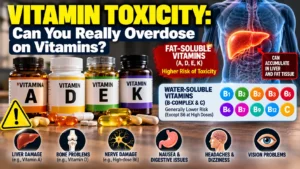
Excessive zinc intake, generally from high-dose supplements rather than food, can cause nausea, vomiting, loss of appetite, and headaches in the short term. Chronic excessive intake can interfere with copper absorption, potentially leading to a copper deficiency over time, and may also suppress immune function — somewhat counterintuitively, given zinc’s role in supporting immunity at appropriate doses.
The Bottom Line
Zinc plays an important role in immune function, wound healing, and growth, and while outright deficiency is relatively uncommon in developed countries, certain groups — including vegans, pregnant individuals, and older adults — are at higher risk. A varied diet including both plant and animal sources of zinc covers most people’s needs, with supplementation being most useful for specific situations like early cold symptoms or confirmed low intake.
This article is for informational purposes only and is not a substitute for professional medical advice.