AS a smoker, How do I make sure I stay functional for the next 30 years with such lung problems?
Great question — and completely achievable at your stage. Let's break it into a real plan: 🔴 Priority 1 —…
Health
Great question — and completely achievable at your stage. Let's break it into a real plan: 🔴 Priority 1 —…
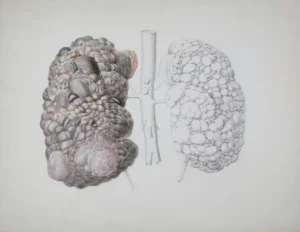
Is 66% dangerous? Not immediately life-threatening, but it's a serious warning sign. To put it in perspective: FEV1 %StageMeaningAbove 80%Normal…
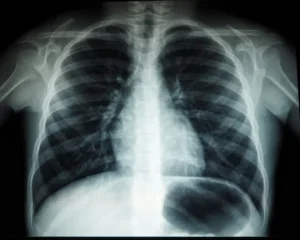
What FEV1 66% means: FEV1 is the amount of air you can forcefully exhale in 1 second. A result of…
The information on MonkMode Health is provided for general educational purposes only. It is not medical advice and is not a substitute for diagnosis, treatment, or guidance from a qualified health professional.
Always consult a doctor or other qualified health expert before making decisions about your health, starting or stopping any supplement, medication, or treatment, or acting on anything you read here.