

Vitamin B12 doesn’t get as much mainstream attention as vitamin D or C, but it’s just as critical — playing a central role in nerve function, red blood cell formation, and DNA synthesis. Here’s what you need to know about it.
What Vitamin B12 Does
Vitamin B12 (cobalamin) is a water-soluble vitamin essential for several core biological processes:
- Red blood cell formation. B12 is needed to produce healthy, properly formed red blood cells that carry oxygen throughout the body.
- Nerve function. It plays a role in maintaining the protective myelin sheath around nerves, supporting proper nerve signaling.
- DNA synthesis. B12 is involved in the synthesis of DNA, making it essential for cell division and growth throughout the body.
- Energy metabolism. It assists in converting food into usable cellular energy, which is part of why fatigue is a hallmark symptom of deficiency.
Where Vitamin B12 Comes From
Unlike many vitamins, B12 is found almost exclusively in animal-based foods, including meat, fish, poultry, eggs, and dairy products. Some fortified foods, such as certain plant milks, cereals, and nutritional yeast, also contain added B12. This distribution is the main reason vegans and, to a lesser extent, vegetarians are at higher risk of deficiency and often need to rely on fortified foods or supplements.
Who’s at Risk of Deficiency?
Vegans and vegetarians, due to the near-absence of B12 in plant foods.
Older adults, since stomach acid production — necessary for releasing B12 from food — tends to decline with age.
People with digestive conditions such as Crohn’s disease, celiac disease, or those who’ve had gastric bypass surgery, which can impair B12 absorption.
People taking certain medications, including long-term use of proton pump inhibitors or metformin, both of which can interfere with B12 absorption over time.
People with pernicious anemia, an autoimmune condition that prevents the body from producing intrinsic factor, a protein required to absorb B12 from food.
Signs of Vitamin B12 Deficiency
Symptoms often develop gradually and can include:
- Persistent fatigue and weakness
- Pale or yellowish skin
- Numbness or tingling in the hands and feet
- Difficulty with balance
- Memory problems or difficulty concentrating
- Mood changes
- A smooth, sore tongue
Because B12 deficiency can cause irreversible nerve damage if left untreated for a long time, it’s worth taking these symptoms seriously and getting blood levels checked rather than waiting for them to resolve on their own.
How Deficiency Is Diagnosed and Treated
A simple blood test measuring serum B12 levels (sometimes alongside methylmalonic acid, a more sensitive marker) can confirm deficiency. Treatment typically involves:
- Oral supplements for mild deficiency or dietary insufficiency
- High-dose oral or sublingual B12 for people with mild-to-moderate absorption issues
- B12 injections for more severe deficiency or absorption disorders like pernicious anemia, which bypass the digestive tract entirely
How Much Do You Need?
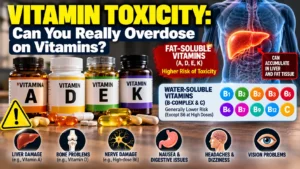
The recommended daily intake for most adults is around 2.4 mcg, though pregnant and breastfeeding individuals need somewhat more. Because B12 is water-soluble and excess amounts are excreted in urine, toxicity from oral supplementation is extremely rare, and supplements are generally considered safe even at doses well above the recommended intake.
The Bottom Line
Vitamin B12 is essential for nerve health, red blood cell production, and energy metabolism, and deficiency is more common than many people expect — particularly among vegans, older adults, and those with certain digestive conditions. If you fall into a higher-risk group, a simple blood test can clarify whether supplementation makes sense for you.
This article is for informational purposes only and is not a substitute for professional medical advice.