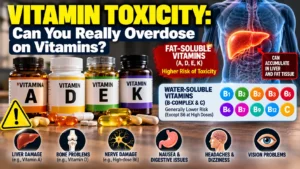


Vitamin B1, better known as thiamine, was the first B vitamin ever discovered — and it remains essential for turning the food you eat into usable energy. Here’s what it does and why it still matters today.
What Is Thiamine?
Thiamine is a water-soluble vitamin that acts as a coenzyme in carbohydrate metabolism, helping convert glucose into energy that cells can use. It also plays supporting roles in nerve function and muscle contraction, making it important for both metabolic and neurological health.
Because the body stores very little thiamine and it’s water-soluble, regular dietary intake is necessary to maintain adequate levels.
Why Thiamine Matters
Energy production. Thiamine is a required cofactor for enzymes involved in breaking down carbohydrates into usable cellular energy — without it, this process becomes significantly less efficient.
Nervous system function. Thiamine supports the normal function of nerve cells and the production of certain neurotransmitters, making adequate intake important for cognitive and neurological health.
Muscle function. As part of its role in energy metabolism, thiamine supports normal muscle contraction and cardiac function.
Food Sources
Thiamine is found in a variety of foods, including:
- Whole grains and fortified cereals
- Pork
- Legumes, including beans and lentils
- Seeds and nuts
- Fortified bread and pasta
Because refining grains removes much of their natural thiamine content, many countries fortify refined grain products specifically to prevent widespread deficiency.
Who’s at Risk of Deficiency?
People with alcohol use disorder are at significantly elevated risk, since alcohol interferes with thiamine absorption and storage — this is the most common cause of thiamine deficiency in developed countries.
People with poor overall nutrition, including those with limited access to varied foods or restrictive eating patterns.
People with malabsorption conditions, such as those following bariatric surgery or living with chronic gastrointestinal disease.
People undergoing dialysis, since the process can deplete water-soluble vitamins including thiamine.
Signs of Thiamine Deficiency
Mild deficiency can cause fatigue, irritability, and poor appetite. More severe or prolonged deficiency can lead to two recognized conditions:
Beriberi, which affects the cardiovascular and nervous systems and can cause symptoms ranging from weakness and swelling to more serious heart complications.
Wernicke-Korsakoff syndrome, a serious neurological condition most often associated with chronic alcohol use, involving confusion, coordination problems, and memory impairment. This is considered a medical emergency requiring immediate thiamine treatment.
How Much Do You Need?
Recommended daily intakes for adults are generally around 1.1–1.2 mg per day, with requirements based on overall caloric and carbohydrate intake — people consuming more calories generally need somewhat more thiamine to support the associated metabolic processes.
Supplementation Considerations
For most people eating a varied diet, thiamine deficiency is uncommon. However, individuals with risk factors — particularly a history of alcohol use disorder, bariatric surgery, or certain chronic illnesses — may be advised by a healthcare provider to take thiamine supplements, sometimes at higher therapeutic doses in clinical settings.
The Bottom Line
Thiamine plays a foundational role in how your body produces energy and supports nerve function. While deficiency is relatively rare in the general population, certain groups — particularly those with alcohol use disorder or malabsorption conditions — face meaningfully higher risk and may benefit from monitoring or supplementation under medical guidance.
This article is for informational purposes only and is not a substitute for professional medical advice.